
Level 1
Warm-up
1
First, look for the biggest differences. Calm viewing, moving your gaze and noticing details matter more than speed.
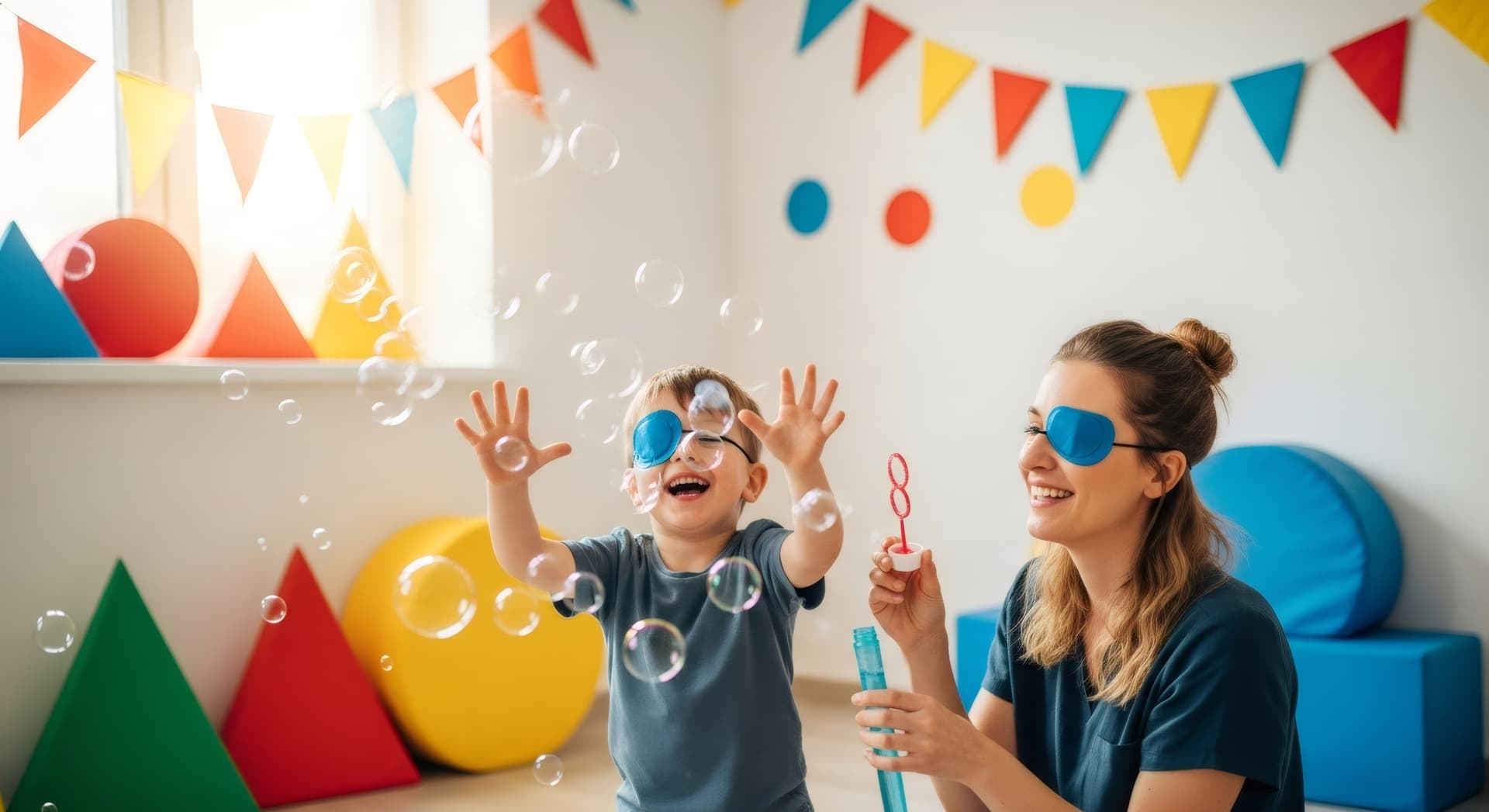
Accommodation helps the eye focus up close and return to distance vision. If reading, studying, using a phone or working at a computer quickly tires your eyes, it is worth checking whether the visual system works freely.
The eye constantly changes focus: differently for a screen, notebook, phone, book and a person across the room. When this mechanism is overloaded, the image may blur and the eyes tire faster.
Long near work, uncorrected refractive error, stress, fatigue and too little rest often contribute. Sometimes similar symptoms may be connected with health conditions or medication, so after the exam we explain honestly when medical consultation is advisable.
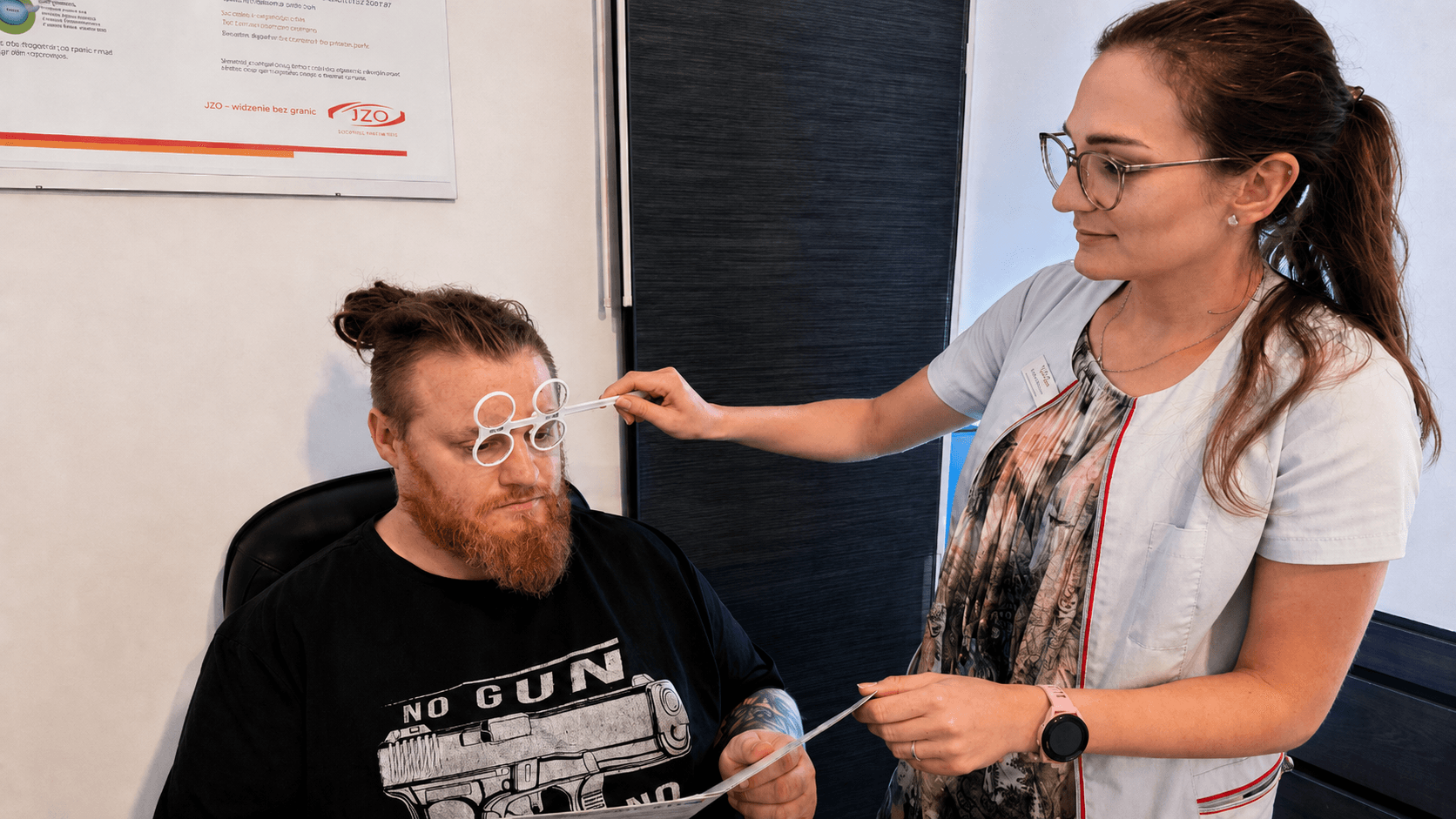
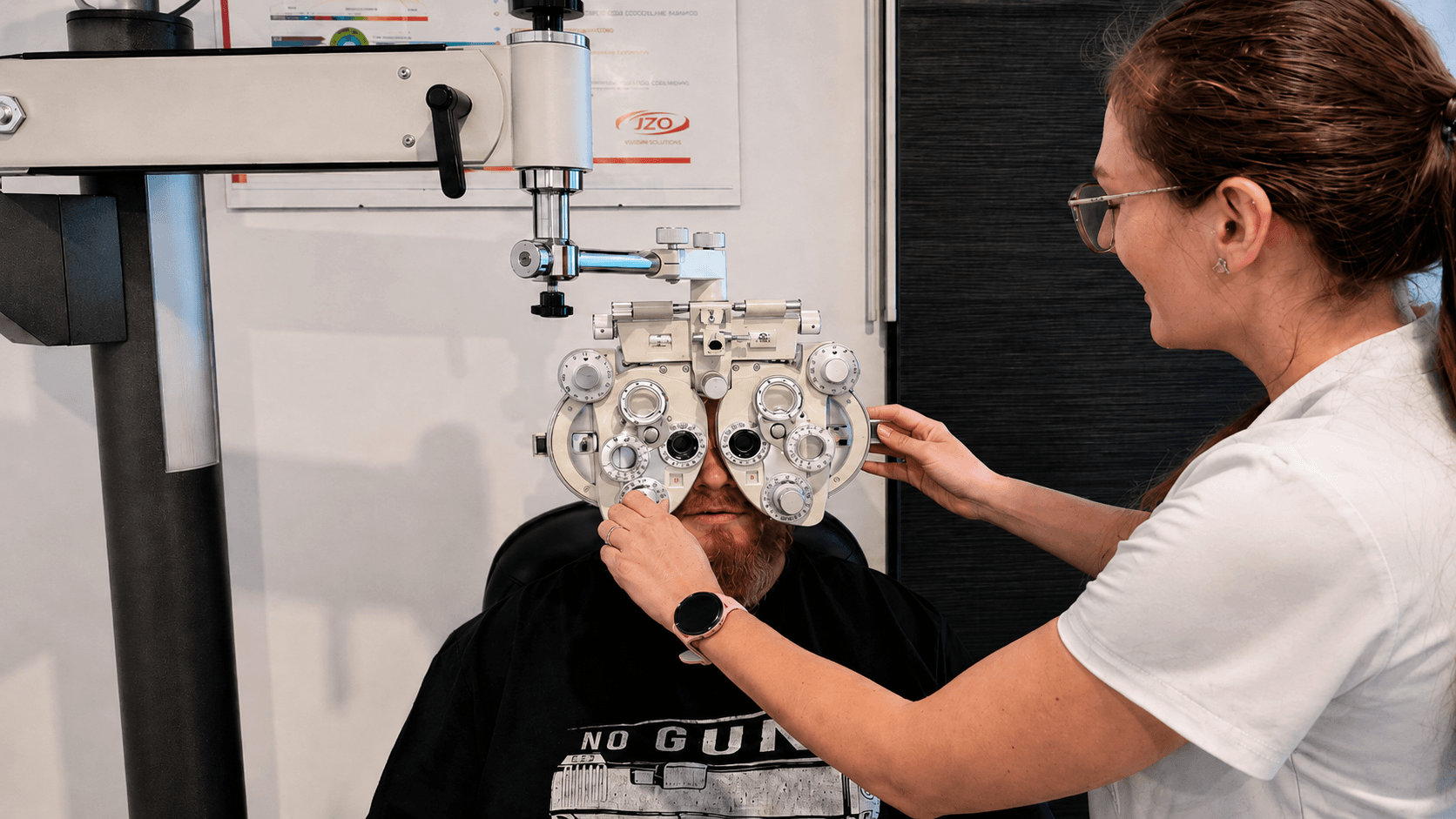
We begin with a conversation about symptoms, work, learning, screens and everyday visual habits. Then we check refractive error, binocular vision, convergence and how efficiently the eye sets and maintains near focus.
At the end we explain the result in plain language. You will know where the difficulty may come from and whether glasses, changes in near-work habits, home exercises or further consultation are needed.
Book a visit if you or your child quickly lose comfort while reading, squint, move very close to text, have headaches or struggle to switch focus between near and far distances.
It is best to come after rest. Do not schedule the exam immediately after many hours at a computer, intensive studying, long phone use or a very tiring day. Rested eyes give a more reliable result.

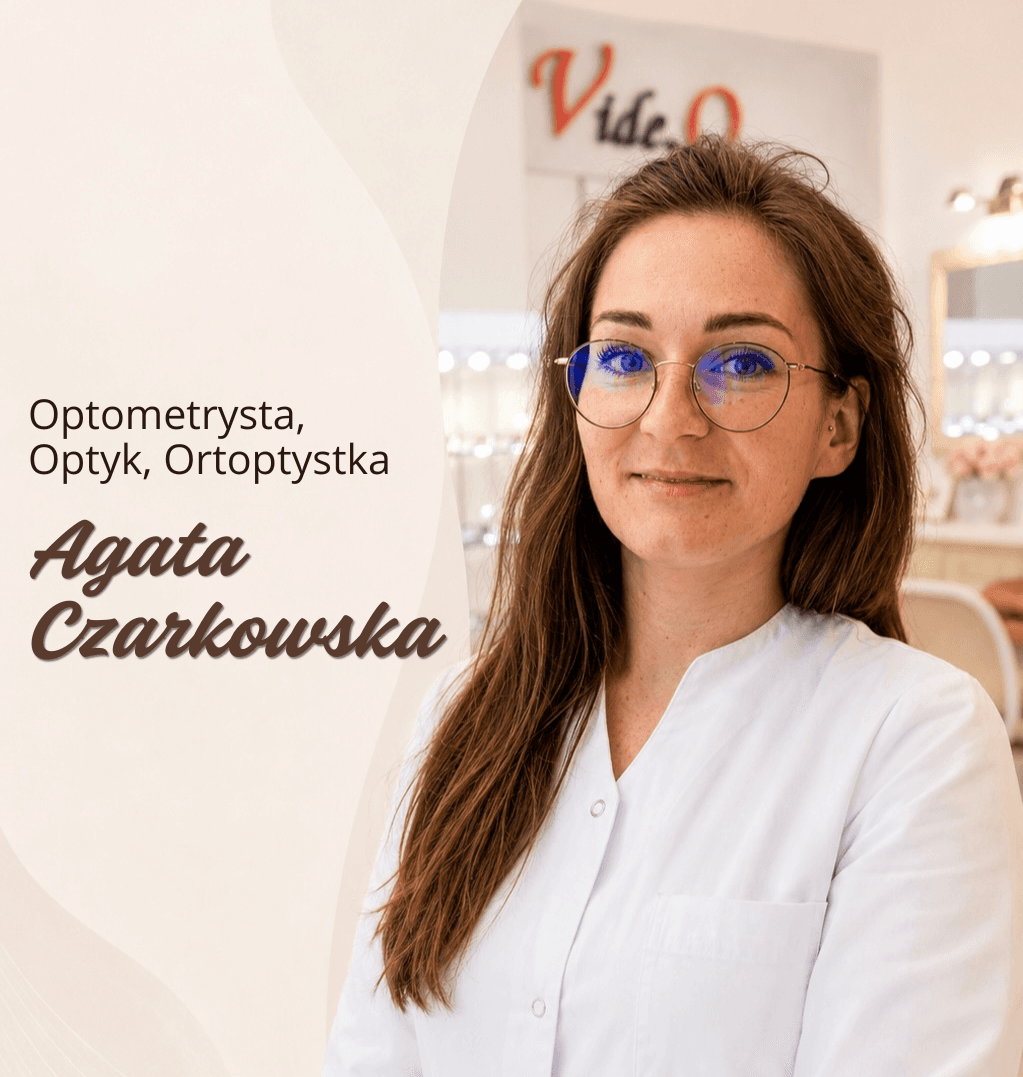
Optometrist, optician and qualified orthoptist
Agata specialises in situations where the eyes tire quickly despite wearing glasses or despite a good basic eye exam result. She works with binocular vision, accommodation, convergence and difficulties that appear during reading, studying and screen work.
During the visit she calmly explains where the problem may come from and what comes next: correction, exercises, changing near-work habits or medical consultation. The examination matters, but so does understanding the recommendations.
Accommodation exercises are available only at the Żelazna salon with Agata Czarkowska. Details and bookings are handled through the @okowformie profile.
We also invite you to binocular vision assessments and full orthoptic diagnostics for children and adults.
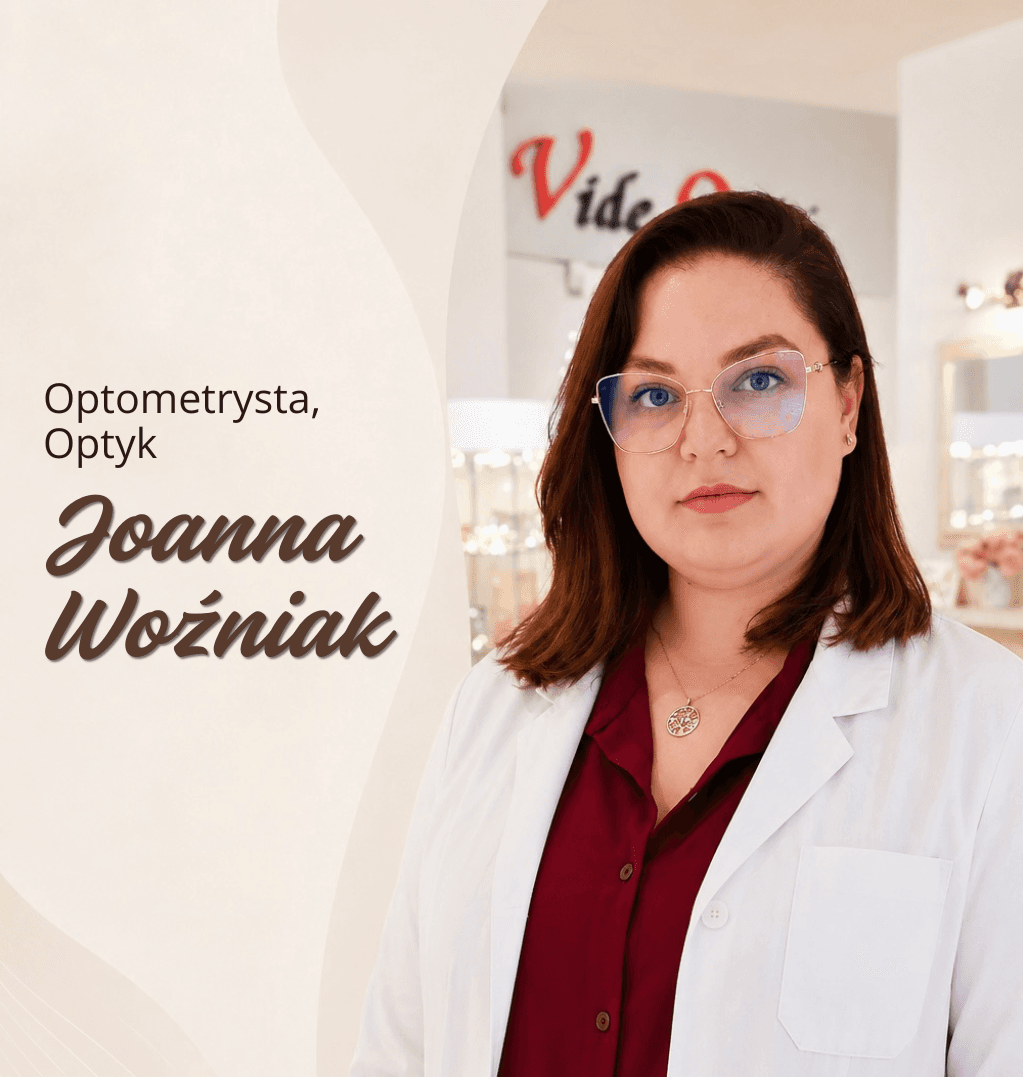
Optometrist, optician
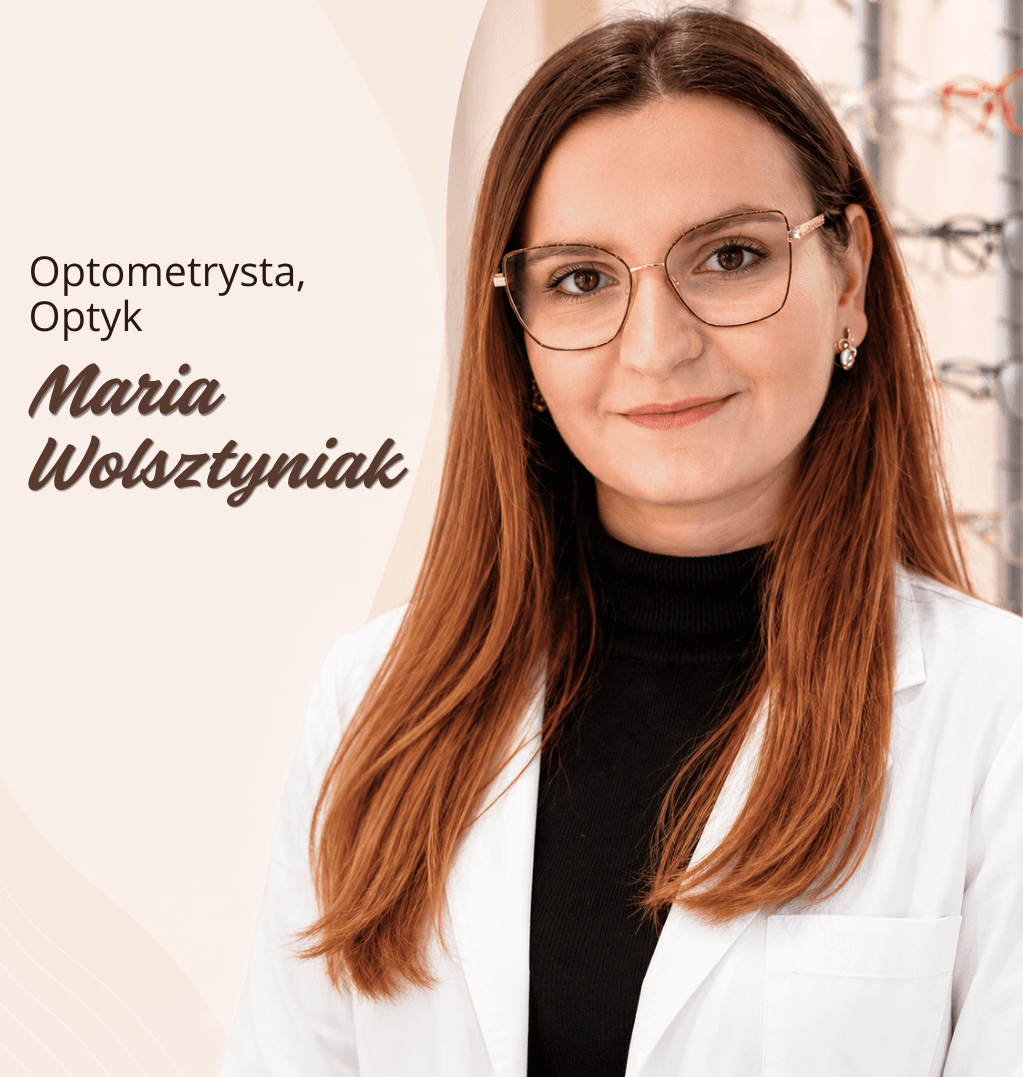
Optometrist, optician
An accommodation test requires focus and cooperation. Do not schedule it straight after school, after many hours at a monitor or immediately after long phone use. A rested visual system gives a more reliable result.
This task does not replace a specialist visit, but it helps you observe comfort during near work. For younger patients it can also make the examination feel more familiar through play. Notice whether squinting, moving the page closer, loss of sharpness, tension or quick fatigue appear.
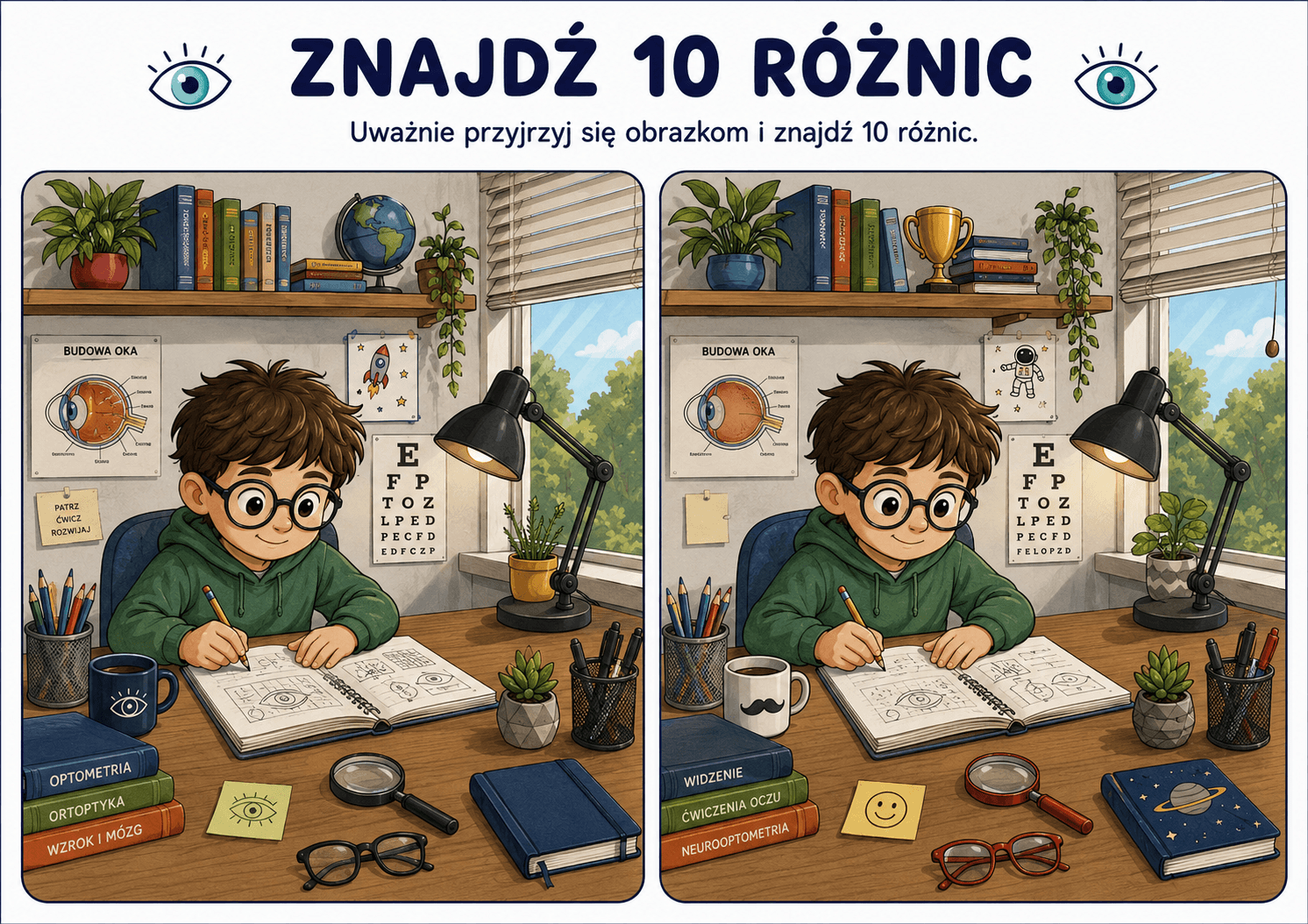
First, look for the biggest differences. Calm viewing, moving your gaze and noticing details matter more than speed.
The differences are smaller. The gaze moves between the pictures while the person compares details patiently, step by step.
The full task has 10 differences. It requires focus, careful comparison and good near-vision work.
Treat it as a calm exercise without grading or time pressure. If symptoms return during reading, studying or screen work, it is worth checking accommodation in the examination room.
To end the home exercise on a positive note, print a badge. Click the medal you choose below to generate an A4 print sheet.
Pick the salon that suits you - Łokietka 14 or Żelazna 48 - and book a visit. You'll see the difference.